Port of Gdańsk Authority signs agreement with Baltic Hub for major rail and terminal expansion

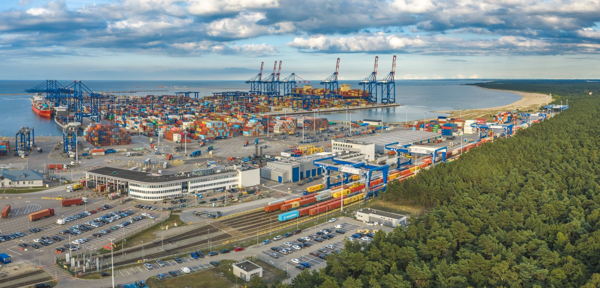
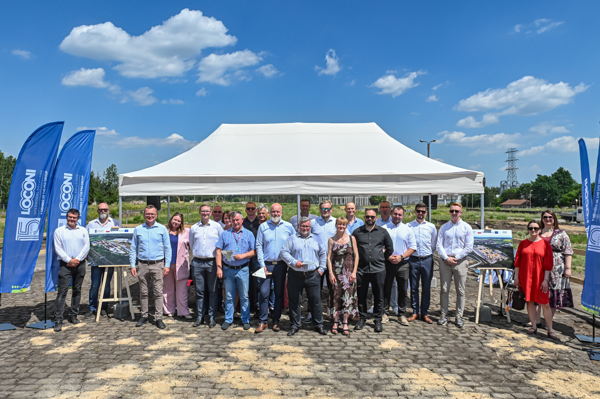
On 4 August 2026, the Port of Gdańsk Authority (ZMPG S.A.) signed an agreement with Baltic Hub Container Terminal (Baltic Hub), granting a 30-year lease for a strategically located 27-hectare site adjacent to Baltic Hub's T2 deepwater terminal, following a successful competitive tender process.
Under the lease agreement, Baltic Hub will develop the site into a new intermodal rail and container handling area, significantly expanding the terminal’s landside and quayside capacity and reinforcing Poland’s position as the primary logistics gateway for Central and Eastern Europe.
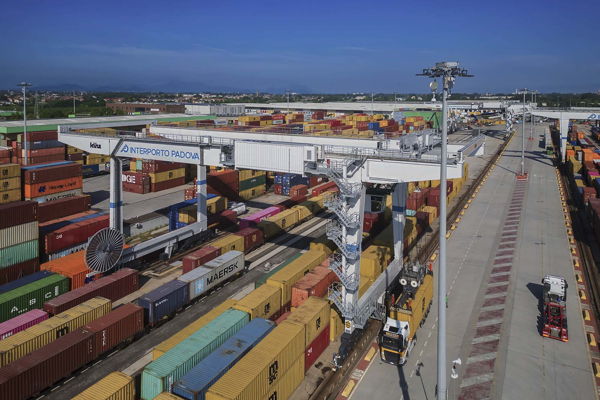
Baltic Hub has committed to invest in a new rail siding capable of handling 750-metre-long trains and new container storage yards. Additionally, container handling equipment will also be procured to bring the new facilities into full operation. Upgrading works will be completed in phases.
“The signing of the lease agreement with Baltic Hub Container Terminal confirms the consistent implementation of the Port of Gdańsk’s development strategy. Thanks to direct services to and from Asia, the port can continue to strengthen its position among Europe’s leading ports,” emphasizes Dorota Pyć, President of the Port of Gdańsk Authority. “Our goal is not only to enhance the port’s competitiveness and market position, but also to increase the resilience of cargo flows in the face of the growing importance of global maritime transport and geopolitical challenges. This investment is also aligned with our sustainable development objectives, creating the conditions for a greater share of cargo to be shifted from road to rail. This will support more efficient and environmentally friendly supply chains and strengthen the Port of Gdańsk’s position in competing with other European ports for serving the markets of Central and Eastern Europe, including the Czech Republic, Slovakia and Ukraine.”
In recent years, global logistics have been reshaped by major disruptions, including geopolitical developments that have structurally changed cargo flows. At the same time, customers and shipping lines are increasingly prioritizing low-emission transport solutions, accelerating the demand for rail as a strategic alternative to road.
“This lease agreement represents a pivotal milestone in Baltic Hub’s long-term strategy,” said Jan Van Mossevelde, Chief Executive Officer of Baltic Hub. “The expansion of our rail terminal and yard capacity, aligned with PSA Group’s Node to Network strategy, will strengthen hinterland connectivity by enabling a greater share of containers to be transported by rail. This will enhance network efficiency, reduce reliance on road transport, and support the modal shift needed to lower supply chain emissions. At the same time, it reinforces our ability to deliver the reliability, capacity and sustainable performance that our shipping line partners and cargo owners expect.”
The leased property is already designated as port land and benefits from existing rail access and immediate proximity to the T2 terminal, making it the most practical and timely location for the development of a second rail facility. The investment will support the continued growth and reconfiguration of shipping networks, as carriers deploy larger vessels and redesign their service patterns to increasingly rely on Baltic Hub as a gateway for Poland and the wider Central and Eastern Europe region.
About Baltic Hub
Baltic Hub Container Terminal Sp. z o.o. is Poland's largest and fastest-growing container terminal. It connects Asia, the European Union with Poland and the emerging markets of Central and Eastern Europe and the entire Baltic Sea. The Baltic Hub accommodates the largest ships in the world departing from the Far East.
The terminal handles Polish imports, exports and transshipment cargo. Baltic Hub is a natural gateway for Poland and Central and Eastern Europe, with excellent land connections to countries such as the Czech Republic, Slovakia, Ukraine, Hungary and Germany. In 2025 Baltic Hub handled 2.7 million TEU. It currently employs more than 1,500 people.
The terminal is owned by PSA International (PSA) (40%), the Polish Development Fund (PFR) (30%) and the IFM Global Infrastructure Fund (30%). PSA is a leading global port group and a trusted partner to cargo stakeholders. With flagship port operations in Singapore and Belgium, PSA’s portfolio comprises over 70 deep-sea, rail and inland terminals, across more than 180 locations in 45 countries. PFR is a commercial law company owned by the State Treasury, which invests in projects of strategic importance while maintaining a market rate of return. By 2025, PFR had invested PLN 15 billion directly in Polish companies. IFM Global Infrastructure Fund is a global institutional fund management company.

Media contact
Magdalena Jagla
Reinout Moens
Caroline Creve